
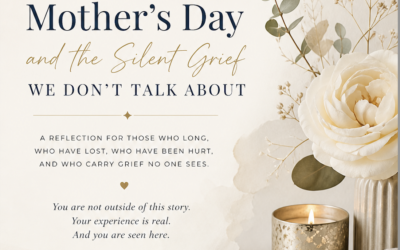
Mother’s Day and the Silent Grief We Don’t Talk About
When Mother’s Day Feels Like A Struggle Mother’s Day can be a quiet kind of ache. Not loud. Not dramatic. Just… present. It arrives in curated images—flowers, soft smiles, glowing tributes. A world that assumes this day is simple. Joyful. Whole....
What Silence Means: Trauma, Fear, and the Need for Safe Spaces
Silence is not always emptiness. Sometimes it is fear, shame, or survival. Discover how trauma shapes silence and why safe spaces are essential for healing.
Said Yes But Didn’t Want To: Understanding Your Body
If you have ever said yes but didn’t want to — not from desire, but because it felt easier than the alternative — this is for you. What your body has been carrying has a name. And you are not broken for feeling it.

A Place to Hear Your Own Story | Healing Retreat Jamaica
Most high-functioning people have built a life that works—yet feel quietly disconnected. This reflection explores what becomes possible when you finally have space to hear yourself.
Desire Is NOT Safe for Us
Desire is not unsafe because something is wrong with us.
It feels unsafe because of what generations went through in order to survive.

Suicidal Thoughts After Abuse: Finding Hope
We live inside an invisible prison that rewards quiet compliance. It calls trauma ‘strength,’ silence ‘dignity,’ and coping mechanisms ‘moving on.’ But survival isn’t the same as freedom.
This prison builds walls from beliefs, not bars. Beliefs that label us ‘too sensitive,’ that demand we ‘get over it,’ that invalidate our pain unless it looks a certain way. This system profits from our self-doubt and feeds on our silence.
You didn’t choose abuse. You didn’t choose to carry shame. You didn’t choose to dissociate, to people-please, or to betray yourself just to stay safe. These responses weren’t character flaws or personal failures — they were intelligent survival strategies for impossible situations.
But here’s where your power lives: you can choose to break the cycle now. You can choose to question the system that taught you to doubt yourself. You can choose to reclaim the power that always belonged to you — the kind that doesn’t depend on someone else’s approval or apology.
The Grief That Shares My Bed
We live inside an invisible prison that rewards quiet compliance. It calls trauma ‘strength,’ silence ‘dignity,’ and coping mechanisms ‘moving on.’ But survival isn’t the same as freedom.
This prison builds walls from beliefs, not bars. Beliefs that label us ‘too sensitive,’ that demand we ‘get over it,’ that invalidate our pain unless it looks a certain way. This system profits from our self-doubt and feeds on our silence.
You didn’t choose abuse. You didn’t choose to carry shame. You didn’t choose to dissociate, to people-please, or to betray yourself just to stay safe. These responses weren’t character flaws or personal failures — they were intelligent survival strategies for impossible situations.
But here’s where your power lives: you can choose to break the cycle now. You can choose to question the system that taught you to doubt yourself. You can choose to reclaim the power that always belonged to you — the kind that doesn’t depend on someone else’s approval or apology.
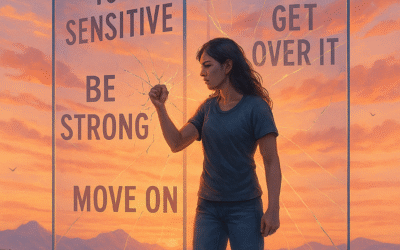
You Didn’t Choose. You Deserve To Be Free
We live inside an invisible prison that rewards quiet compliance. It calls trauma ‘strength,’ silence ‘dignity,’ and coping mechanisms ‘moving on.’ But survival isn’t the same as freedom.
This prison builds walls from beliefs, not bars. Beliefs that label us ‘too sensitive,’ that demand we ‘get over it,’ that invalidate our pain unless it looks a certain way. This system profits from our self-doubt and feeds on our silence.
You didn’t choose abuse. You didn’t choose to carry shame. You didn’t choose to dissociate, to people-please, or to betray yourself just to stay safe. These responses weren’t character flaws or personal failures — they were intelligent survival strategies for impossible situations.
But here’s where your power lives: you can choose to break the cycle now. You can choose to question the system that taught you to doubt yourself. You can choose to reclaim the power that always belonged to you — the kind that doesn’t depend on someone else’s approval or apology.

Are You Ready To Reclaim Your Power?
Enough. Enough of shrinking yourself to fit into spaces that were never meant for you. Enough of second-guessing your instincts because someone convinced you that you were “too much” or “not enough.” Enough of carrying the weight of their failures, their cruelty,...

Healing After Trauma: Where It Begins
✨ Healing After Trauma: Where It Begins A Beginning, Not a Fix There are experiences that do not end when they are over. They remain—quietly shaping how you feel, how you respond, and how you move through your life. Not always loudly.But consistently. Trauma is not...