
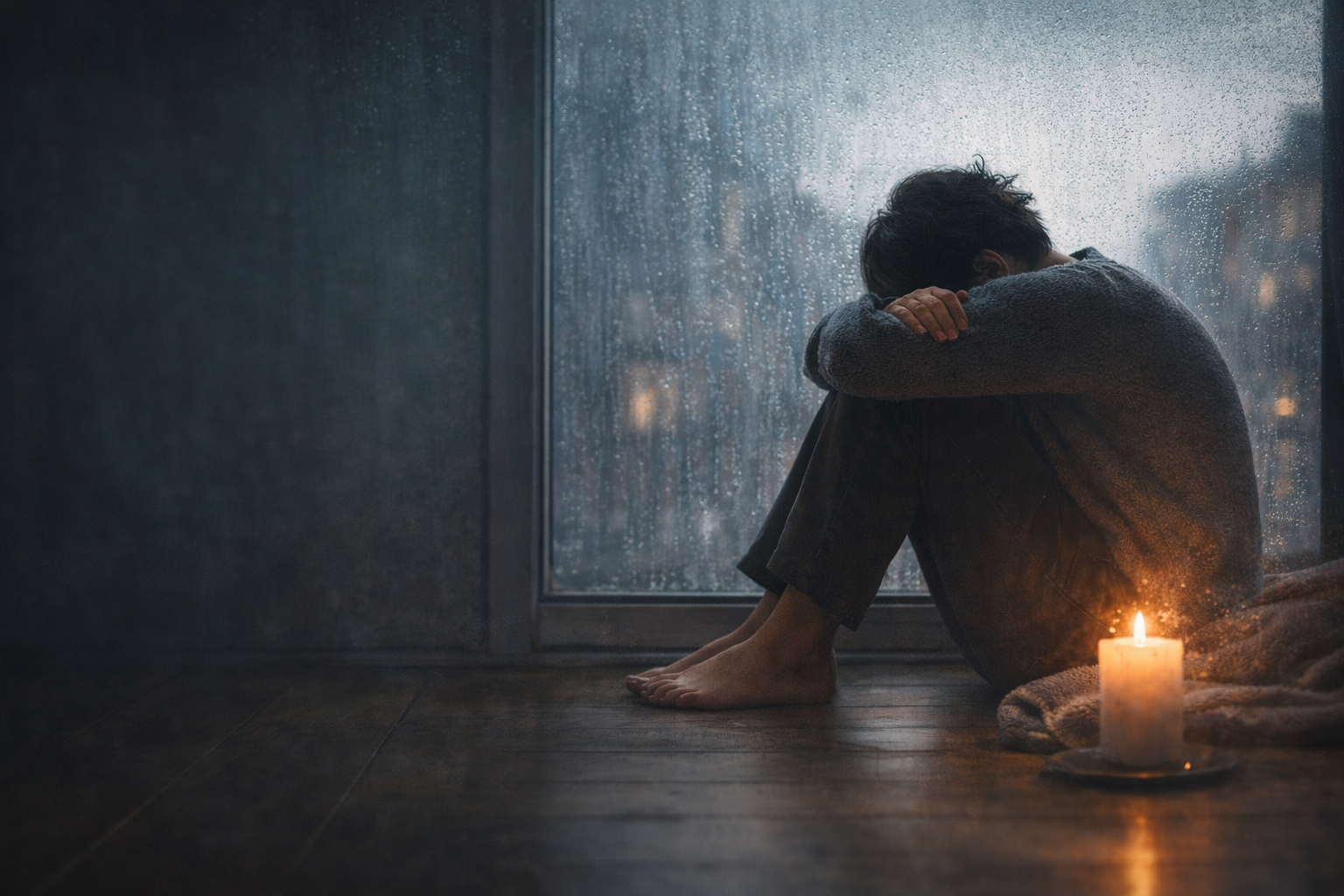
Why Silence in Society Matters
Silence often grows where fear and shame exist. That is why safe spaces for trauma healing matter so deeply.
There is a silence that lives in many homes, workplaces, schools, and communities. It is not always loud. It is not always visible. But it is deeply felt.
It lives in the moment someone decides it is safer to say nothing than to tell the truth.
When people are afraid to speak, we are not simply witnessing individual fear. We are seeing the shape of the culture around them.
Silence often grows where fear, shame, or disbelief already exist. And when silence becomes normal, harm can continue unchecked.
Signs of a Fear-Based Culture
A culture of fear is built when people believe they will be blamed instead of believed. It grows when protecting reputations matters more than protecting people.
You may notice it in environments where:
- Pain is minimized
- Jokes are made at someone else’s expense
- Power goes unquestioned
- Speaking up is punished
- Silence is rewarded
- Survivors are doubted
- Vulnerability is seen as weakness
These patterns do not only affect individuals. They shape families, organizations, and entire communities.
How to Build a Healing Culture
Another kind of culture is possible.
A healing culture is built differently. It begins with safety, compassion, and accountability.
It is built when:
- Listening matters
- People are met with care instead of suspicion
- Accountability is seen as integrity
- Men are allowed tenderness
- Women are allowed anger
- Children are taught that their voice belongs to them
- Safety is treated as a shared value
Healing cultures are not perfect cultures. They are cultures willing to grow.
Domestic Violence Statistics Show the Cost of Silence
Recently released crime data in the United States (FBI, 2026) showed that violent crimes involving domestic relationships increased over a five-year period, with more than 1.1 million victims reported and nearly 75% of victims female.
Numbers help us understand scale, but they never tell the whole human story.
Behind every statistic is a nervous system, a memory, a body learning how to survive, and a person wondering if anyone would care if they spoke.
Why Safe Spaces for Truth and Trauma Healing Matter
Many people do not stay silent because they have nothing to say. They stay silent because the cost of speaking feels too high.
This is why trauma-informed spaces matter. Safe spaces allow people to be heard without judgment, pressure, or shame.
Whether in therapy, leadership, education, faith communities, or families, safety changes what becomes possible.
A Question for All of Us
Healing is not only about what happened in the past. It is also about reclaiming your voice in the present. If you are ready to build confidence, self-trust, and speak with greater clarity, explore our resources at
.Perhaps the better question is not only:
Why are people silent?
It is also:
What have we created that makes silence feel safer than truth?
And just as importantly:
What can we begin to create instead?
Dr. Sandra Hamilton supports individuals in healing, confidence, and personal transformation.
Follow her journey and insights on
-
https://www.linkedin.com/in/drsandrahamilton/
Join our supportive community on Facebook
- https://web.facebook.com/watch/DrSandraRHamilton/
- where I share daily affirmations and healing resources
0 Comments